
DC Fast Charging Planning for Commercial Sites
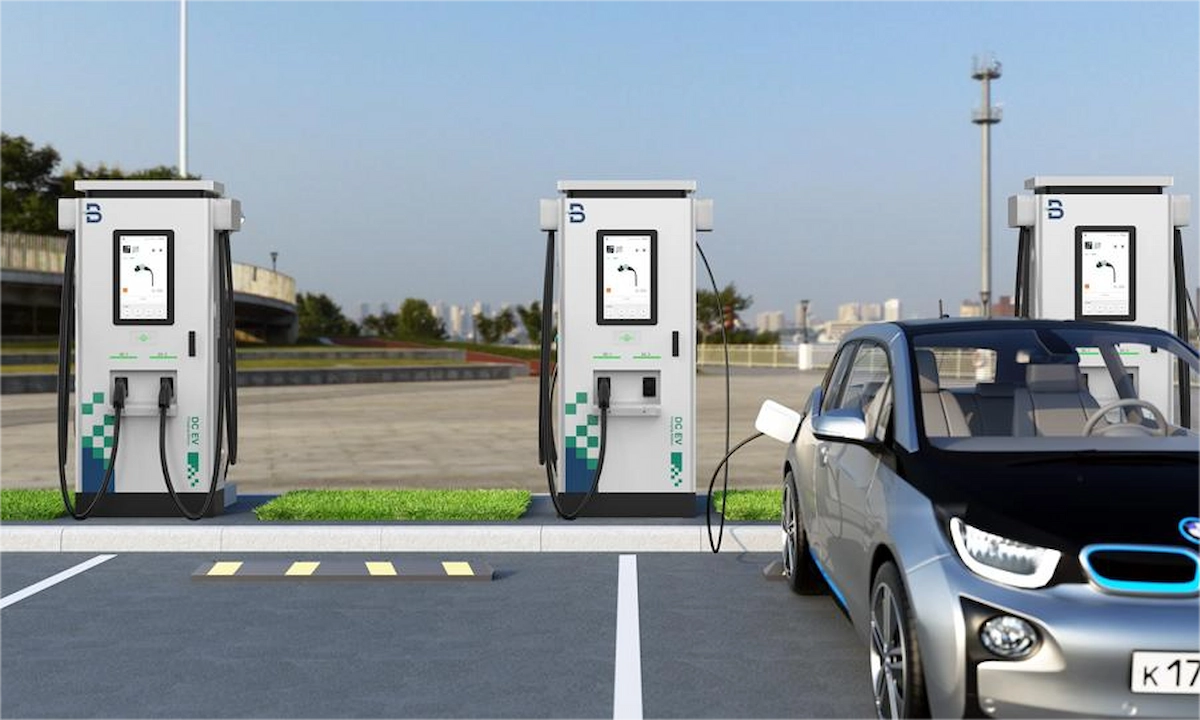 Commercial DC charging planning starts with dwell time and vehicle turnover, not just the highest power rating. Buyers often ask for more power because it sounds safer, but charger sizing should match how the site actually operates. A charger that is too small can create queues and poor user experience, while a charger that is too large may raise installation cost without improving revenue enough to justify it.
The best starting point is the use case. Common DC charging applications include parking lots, retail destinations, fleet yards, and service stations. Each setting has a different charging window, user expectation, and grid constraint. A retail site may benefit from moderate DC charging that matches shopping time, while a fleet depot may need a schedule that keeps vehicles ready for shifts. Public highway charging usually requires a different model again.
For buyers who want a concrete reference while comparing options, EVB’s DC EV charging solutions can be reviewed alongside project requirements, site limitations, and long-term operating needs.
Buyers should also check the details behind the product label. Connector configuration, cable length, cooling method, output power sharing, OCPP compatibility, payment integration, and remote diagnostics all affect the operating result. Maintenance access and spare part availability become especially important once the charger is part of a public or revenue-generating site.
A good DC charging decision is therefore not “highest power wins.” It is a site-matching exercise. The right system should fit the available grid capacity, expected traffic, vehicle types, charging time, business model, and support plan. That is where careful planning usually saves more money than a simple hardware discount.
Commercial DC charging planning starts with dwell time and vehicle turnover, not just the highest power rating. Buyers often ask for more power because it sounds safer, but charger sizing should match how the site actually operates. A charger that is too small can create queues and poor user experience, while a charger that is too large may raise installation cost without improving revenue enough to justify it.
The best starting point is the use case. Common DC charging applications include parking lots, retail destinations, fleet yards, and service stations. Each setting has a different charging window, user expectation, and grid constraint. A retail site may benefit from moderate DC charging that matches shopping time, while a fleet depot may need a schedule that keeps vehicles ready for shifts. Public highway charging usually requires a different model again.
For buyers who want a concrete reference while comparing options, EVB’s DC EV charging solutions can be reviewed alongside project requirements, site limitations, and long-term operating needs.
Buyers should also check the details behind the product label. Connector configuration, cable length, cooling method, output power sharing, OCPP compatibility, payment integration, and remote diagnostics all affect the operating result. Maintenance access and spare part availability become especially important once the charger is part of a public or revenue-generating site.
A good DC charging decision is therefore not “highest power wins.” It is a site-matching exercise. The right system should fit the available grid capacity, expected traffic, vehicle types, charging time, business model, and support plan. That is where careful planning usually saves more money than a simple hardware discount.
Step inside the working archive.
184,000+ declassified documents, 2,400 interactive campaign maps, and 1,100 hours of uncut veteran testimony — curated by credentialed historians and free to start.
Start Exploring the Archive